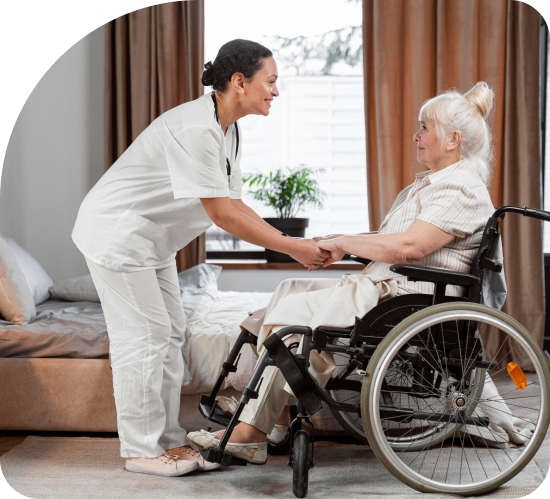
Nursing in Long Term Care- All you need to know
The Licenses and Training Nurses Receive for Long-Term Care: Ensuring Excellence in Patient Care
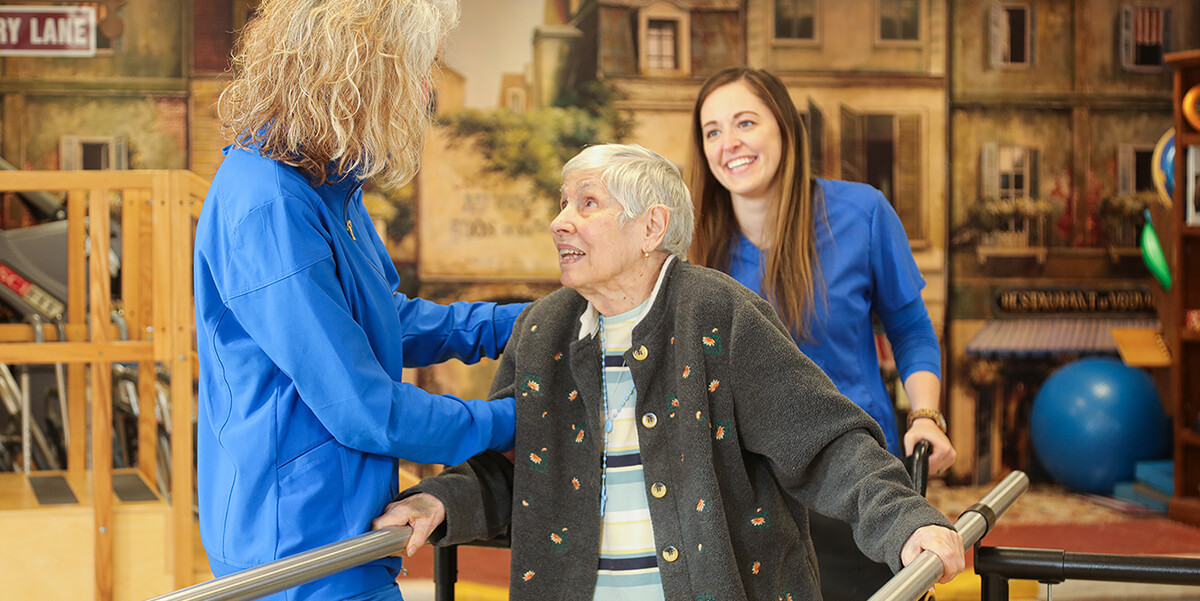
When it comes to providing high-quality care in long-term care settings, the expertise and dedication of nursing staff are crucial. At AristaCare, we understand that the well-being and health of our residents depend on the skills and qualifications of our nursing team. In this blog, we’ll explore the various licenses and training that nurses receive to excel in long-term care, ensuring that they deliver compassionate and competent care every day.
Types of Nursing Licenses for Long-Term Care
1. Registered Nurse (RN) License
**Requirements**: To become a Registered Nurse, individuals must complete an accredited nursing program (Associate’s Degree in Nursing (ADN) or Bachelor of Science in Nursing (BSN)), pass the National Council Licensure Examination for Registered Nurses (NCLEX-RN), and meet state licensing requirements.
**Role in Long-Term Care**: RNs play a critical role in long-term care facilities, overseeing the overall care of residents. They assess patient conditions, develop care plans, administer medications, and coordinate with other healthcare professionals. RNs also mentor and supervise Licensed Practical Nurses (LPNs) and Certified Nursing Assistants (CNAs).
2. Licensed Practical Nurse (LPN) License
**Requirements**: LPNs must complete a state-approved practical nursing program and pass the National Council Licensure Examination for Practical Nurses (NCLEX-PN). Licensing requirements can vary by state.
**Role in Long-Term Care**: LPNs provide essential care to residents under the supervision of RNs. Their responsibilities include monitoring vital signs, administering medications, providing wound care, and assisting with daily living activities. LPNs are integral to maintaining the quality of care in long-term care settings.
3. Certified Nursing Assistant (CNA) Certification
**Requirements**: CNAs must complete a state-approved training program and pass a certification exam. Training programs typically include both classroom instruction and hands-on clinical experience.
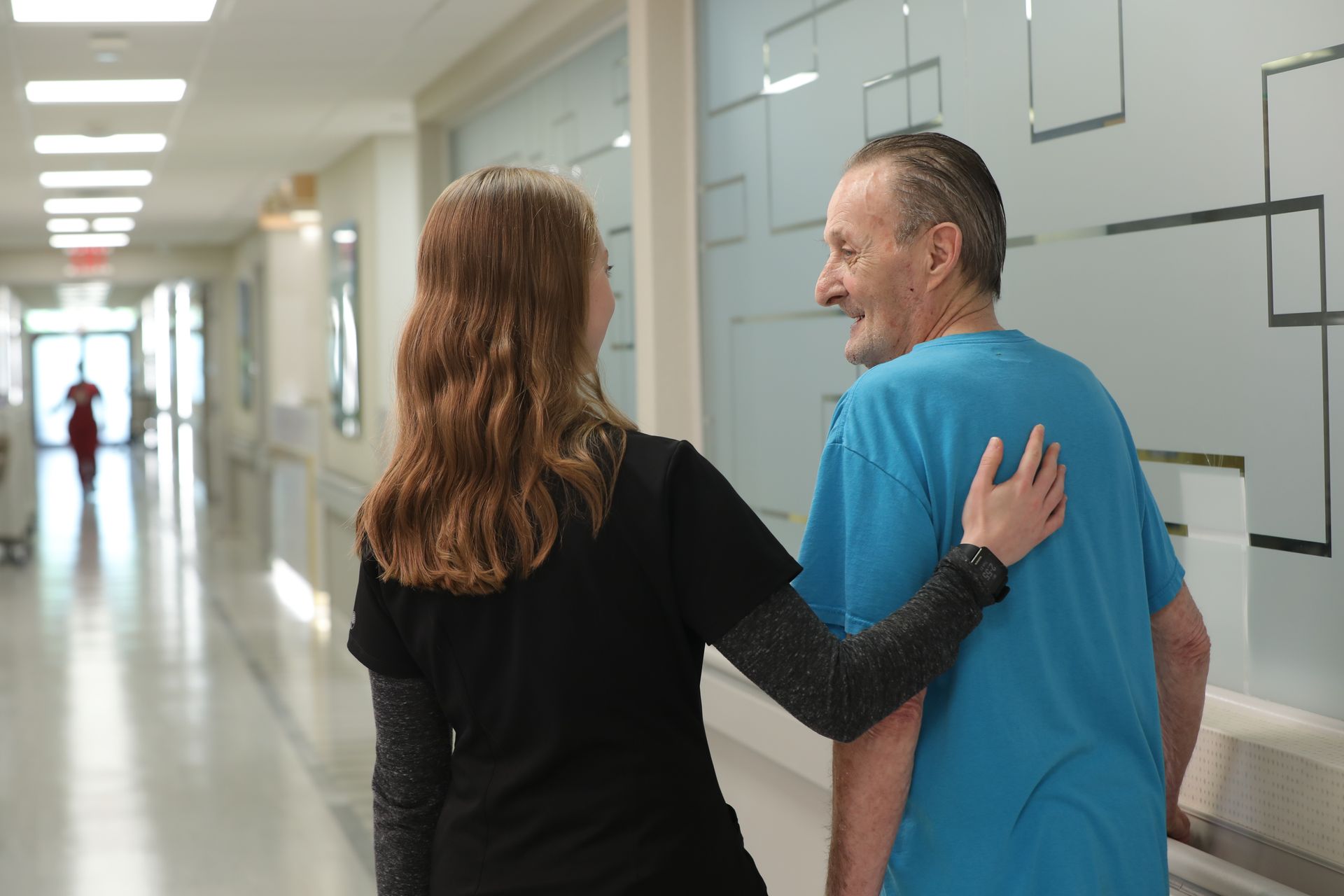
**Role in Long-Term Care**: CNAs offer direct care to residents, including helping with personal hygiene, mobility, and feeding. They are often the primary caregivers who spend the most time with residents, providing vital support and monitoring changes in their condition.
Specialized Training for Long-Term Care
In addition to basic licensure, nurses in long-term care facilities often pursue additional training and certifications to enhance their skills and knowledge:
1. Geriatric Nursing Certification
**Description**: Geriatric nursing focuses on the unique healthcare needs of elderly patients. Certification in geriatric nursing involves specialized training in managing chronic conditions, understanding age-related changes, and providing compassionate end-of-life care.
**Importance**: This certification equips nurses with the expertise to handle complex medical and emotional needs of elderly residents, ensuring they receive appropriate and personalized care.
2. Advanced Cardiovascular Life Support (ACLS) Certification
**Description**: ACLS certification provides nurses with advanced skills for managing cardiovascular emergencies, including cardiac arrest and severe arrhythmias.
Importance: This training is critical in long-term care settings where residents may experience acute cardiac events, ensuring that nurses are prepared to respond effectively and provide life-saving interventions.
3. Wound Care Certification
Description: This certification focuses on the assessment and treatment of chronic wounds, including pressure ulcers and diabetic foot ulcers.
**Importance**: Specialized training in wound care is essential for maintaining the skin integrity and overall health of residents, particularly those with limited mobility or chronic conditions that affect wound healing.
4. Pain Management Training
**Description**: Pain management training helps nurses understand various strategies for assessing and managing pain, including pharmacological and non-pharmacological methods.
**Importance**: Effective pain management is crucial for improving the quality of life for residents, particularly those with chronic illnesses or undergoing recovery.
5. **Palliative and Hospice Care Training**
**Description**: This training focuses on providing comfort and support to residents with terminal illnesses, emphasizing pain relief, emotional support, and end-of-life care.
**Importance**: Palliative and hospice care training enables nurses to offer compassionate care that addresses both physical and emotional needs during the end-of-life journey.
#### Continuous Education and Professional Development
Nursing is a dynamic field, and ongoing education is essential for staying current with medical advancements and best practices. At AristaCare, our nursing staff participates in regular training sessions, workshops, and seminars to enhance their skills and knowledge. This commitment to continuous learning ensures that our team remains at the forefront of long-term care practices.
AristaCare: Excellence in Nursing Care
At AristaCare, we are proud of our dedicated nursing staff who bring expertise, compassion, and commitment to their roles every day. Our rigorous licensing requirements, specialized training programs, and focus on continuous education ensure that our residents receive the highest standard of care.
If you’re considering long-term care options or have questions about our nursing team, we invite you to contact us for more information. At AristaCare, we are committed to providing exceptional care through a team of skilled and well-trained professionals.
Understanding the licenses and training that nurses undergo helps illustrate the level of dedication and skill involved in long-term care. We are honored to have a team of nursing professionals who are committed to providing outstanding care and making a positive impact on the lives of our residents.