
Navigating Medicare and Short-Term Rehab: What You Need to Know

Peretz Stern • August 7, 2024

 Navigating Medicare and Short-Term Rehab: What You Need to Know


When it comes to understanding Medicare and short-term rehab, the process can seem overwhelming. Whether you're planning for yourself or a loved one, getting a handle on these aspects is crucial to making informed decisions about healthcare and recovery. At AristaCare, we aim to simplify this process and ensure that you have the information you need to make the best choices for your health and well-being.


What is Medicare?


Medicare is a federal health insurance program primarily for people aged 65 and older, though it also serves younger individuals with disabilities and certain conditions. It consists of different parts, each offering different types of coverage:


Part A**: Hospital Insurance – Covers inpatient hospital stays, skilled nursing facility care, hospice care, and some home health care.

Part B**: Medical Insurance – Covers outpatient care, doctor’s visits, preventive services, and some home health care

Part C**: Medicare Advantage Plans – Offered by private companies, these plans include coverage from both Part A and Part B and often include additional benefits like vision, dental, and hearing services.

Part D**: Prescription Drug Coverage – Helps cover the cost of prescription medications.


What is Short-Term Rehab?


Short-term rehab, also known as post-acute rehab, is designed for individuals recovering from surgery, injury, or illness who need temporary, intensive rehabilitation services. This type of care is often necessary following events such as hip replacements, strokes, or severe fractures. Short-term rehab focuses on helping patients regain their independence and return to their daily activities.


 Medicare and Short-Term Rehab: How They Work Together


For many, Medicare Part A provides coverage for short-term rehab services when they are provided in a skilled nursing facility (SNF). Here’s a breakdown of how Medicare interacts with short-term rehab:


1. **Eligibility**: To qualify for Medicare coverage of short-term rehab, you generally need to have had a hospital stay of at least three days within the 30 days preceding your admission to a skilled nursing facility. This stay must be related to the condition that requires rehab.


2. **Coverage**: Medicare Part A typically covers up to 100 days of short-term rehab in a skilled nursing facility. However, the first 20 days are fully covered. From days 21 to 100, there is a daily co-pay, which can vary annually. After day 100, Medicare will no longer cover the rehab services, and you would need to look into other options for coverage.


3. **Types of Services Covered**: Medicare covers a range of rehab services, including physical therapy, occupational therapy, and speech therapy, provided they are deemed medically necessary and are given by skilled professionals.


4. **Other Considerations**: Medicare Part B may cover outpatient rehab services if you need continued therapy after the 100-day limit of Part A. Additionally, Medicare Advantage Plans (Part C) often offer additional benefits or lower co-pays for rehab services, so reviewing your plan details is important.


Making the Most of Your Rehab Experience


Choosing the right facility and understanding what’s covered can significantly impact your recovery. Here are some tips to help you make the most of your short-term rehab experience:


1. **Verify Coverage**: Contact your Medicare representative or the rehab facility’s billing department to confirm what is covered and what costs you might be responsible for.


2. **Understand Your Plan**: Review your Medicare plan documents carefully and be aware of any co-pays or out-of-pocket expenses that might arise.


3. **Communicate with Healthcare Providers**: Make sure your rehab goals and needs are clearly communicated to your healthcare team to ensure the best possible outcomes.


4. **Plan for Aftercare**: Think about the transition from rehab to home or other care settings. Planning ahead can help make this transition smoother.


AristaCare: Your Partner in Recovery


At AristaCare, we are dedicated to providing exceptional care and support throughout your rehab journey. Our skilled nursing facilities are equipped to deliver the high-quality, compassionate care you need to recover and regain your independence. Our team works closely with you and your family to navigate Medicare coverage and tailor a rehab plan that meets your specific needs.


If you or a loved one is considering short-term rehab, don’t hesitate to reach out to us. We’re here to answer your questions, help you understand your Medicare benefits, and guide you through every step of the rehab process.


For more information or to schedule a tour of our facilities, visit our website or contact us directly. Together, we can make your recovery as smooth and successful as possible.


Navigating Medicare and short-term rehab doesn’t have to be daunting. With the right information and support, you can make the best choices for your health and recovery. At AristaCare, we’re committed to being with you every step of the way.

A woman performs with a microphone for a seated audience in wheelchairs at a festive, decorated indoor event.
By Foster Stubbs April 6, 2026
Bringing Holi home: Program brings a taste of India to nursing home residents
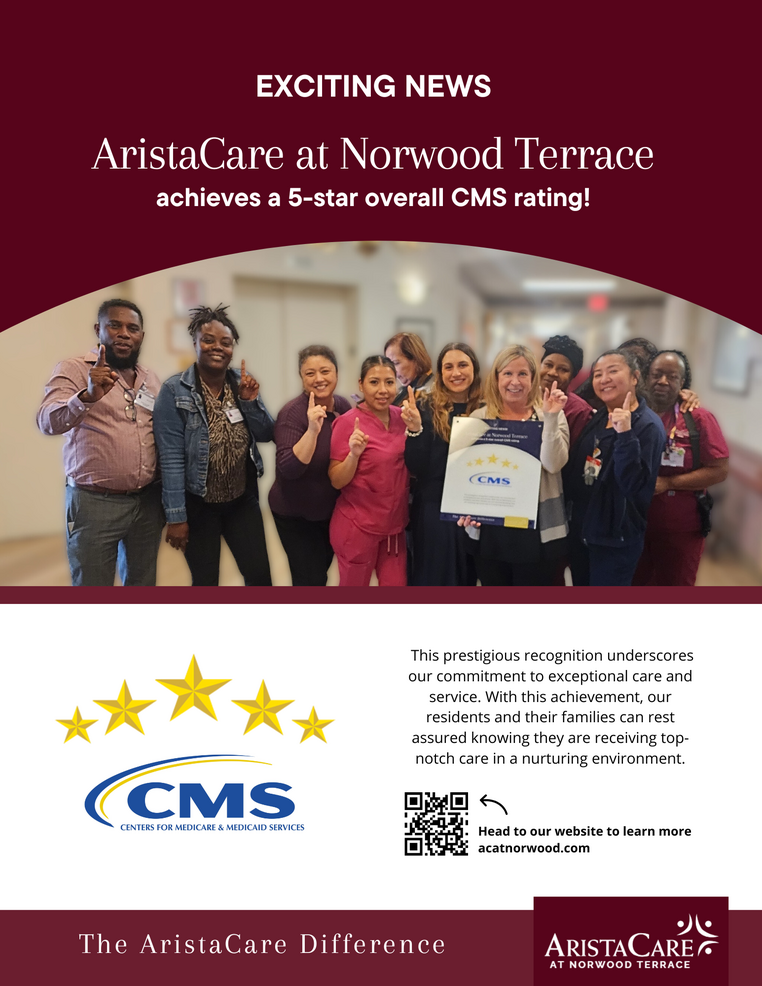
Staff at AristaCare celebrate a 5-star overall CMS rating.
By AristaCare Health Services December 28, 2025
Plainfield, NJ — AristaCare at Norwood Terrace is proud to announce it has been awarded a 5-Star Overall Rating by the Centers for Medicare & Medicaid Services (CMS), the highest distinction given to skilled nursing and rehabilitation centers nationwide.
Group of people in traditional clothing pose for a photo at an event, colorful decorations in the background.
By Staff Writer October 28, 2025
AristaCare Health Service, celebrated the 20th anniversary of its visionary Indian Nursing Home Program October 19, 2025
Group photo with a mascot. People are smiling outdoors.
By Joselyn Delgado August 25, 2025
Department heads and nurse management gathered to enjoy an afternoon of camaraderie, cheering in the stands, sharing laughs, and taking time to recognize the incredible work being done across both centers each day. The event featured a special appearance from Buster, the BlueClaws’ beloved mascot, and served as a meaningful reminder of the value AristaCare places on its team members. Mordy Perlow, Chief Operating Officer at AristaCare, shared: “Our employees are at the heart of everything we do. Taking the time to show our appreciation is essential because they are the ones who consistently deliver exceptional care to our residents. Events like this are just one of the many ways we say thank you and remind our teams how much their hard work and dedication mean to us.” Gianna Brucato, a department head with AristaCare, added: “It’s so easy to get caught up in the fast pace of our work, but moments like this remind us why we do what we do. Being able to step away, connect as a team, and simply enjoy each other’s company is incredibly valuable. It shows that AristaCare truly appreciates the people behind the care.” AristaCare has long been known for fostering a culture that values connection, growth, and recognition. Opportunities like this reinforce its reputation as an employer that invests in its people while encouraging both professional and personal well-being. Those interested in joining the AristaCare team can learn more by clicking here .
By Peretz Stern April 15, 2025
At AristaCare Health Services, we understand that comfort isn’t just physical—it’s emotional and cultural, too . As a trusted provider of skilled nursing and rehabilitation, we serve residents from a wide range of backgrounds, beliefs, and traditions. This beautiful diversity enriches our community—and it also calls for intentional, inclusive care. That’s why we’ve developed cultural programs and practices throughout our facilities to help ensure every resident feels seen, respected, and truly at home. Embracing Diversity, Honoring Individuality Whether someone’s roots are in Eastern Europe, Latin America, South Asia, the Caribbean, or right here in New Jersey, we work to recognize and celebrate those cultural identities —not just in passing, but as part of daily life. We listen. We learn. We adapt. Our goal is to create an environment where everyone feels safe to express who they are and what matters most to them. Cultural Programs That Make a Difference At various AristaCare locations, you’ll find language support, culturally familiar meals, holiday observances, and even faith-based services tailored to our residents' backgrounds. These aren’t just amenities—they’re vital pieces of emotional well-being and dignity. Some of our current offerings include: Multi-cultural activity calendars featuring international music, art, and dance Cultural cuisine days that bring flavors from home to the table Spiritual care across various faiths, with visiting clergy and prayer groups Staff cultural training to promote understanding and sensitivity in care Creating Comfort Through Connection We know that entering a nursing home can be a major transition. When a resident sees a celebration of their heritage, hears their native language spoken, or smells a favorite traditional dish being prepared, it can ease that transition and create a profound sense of belonging and comfort. By weaving culture into the fabric of our care, we build bridges between our residents, staff, and families—and that sense of connection leads to better outcomes and a more joyful living environment. A Continuing Commitment AristaCare is proud to be a culturally aware care provider—and we’re always evolving. As the communities we serve change and grow, we continue to listen and expand our programs accordingly. Because at the end of the day, everyone deserves to feel at home— not just cared for, but truly understood . Learn more about how AristaCare celebrates culture and community. Visit one of our locations or contact us to see how we can support your loved one with personalized, culturally mindful care.
By Joselyn Delgado February 7, 2025
As we age, taking care of our physical, mental, and emotional well-being becomes more important than ever. Self-care isn’t just about pampering—it’s about maintaining health, reducing stress, and enhancing quality of life. At AristaCare Health Services, we believe that seniors deserve to live vibrant, fulfilling lives. Here are some practical self-care tips to help you or your loved ones stay well and thrive. 1. Prioritize Physical Health Keeping your body active and well-nourished is key to maintaining independence and overall well-being. ✅ Stay Active – Engage in low-impact exercises like walking, swimming, or yoga to maintain mobility and strength. ✅ Eat a Balanced Diet – Focus on whole foods, lean proteins, and plenty of fruits and vegetables. Staying hydrated is just as important! ✅ Get Regular Checkups – Schedule routine medical checkups to monitor health conditions and catch potential issues early. ✅ Prioritize Sleep – Aim for 7–9 hours of sleep each night to support cognitive function and energy levels. 2. Keep Your Mind Engaged Cognitive health is just as important as physical health. Keeping the brain active can help prevent memory decline and boost mental sharpness. 🧠 Try Brain Games – Crossword puzzles, Sudoku, and memory games can help keep your mind sharp. 📚 Lifelong Learning – Read books, take online courses, or join local classes to stimulate your mind. 🎨 Engage in Creative Activities – Painting, knitting, or playing a musical instrument can provide both relaxation and cognitive stimulation. 3. Foster Emotional Well-Being Emotional health plays a crucial role in overall happiness. Taking time to nurture your emotions can improve quality of life. 💬 Stay Socially Connected – Spend time with family, friends, and community groups to prevent loneliness and isolation. 🧘 Practice Relaxation Techniques – Try meditation, deep breathing, or mindfulness exercises to manage stress. 😊 Do What Brings You Joy – Engage in hobbies, listen to music, or spend time in nature to uplift your mood. 4. Take Care of Your Environment A safe and comfortable living space can greatly impact overall well-being. 🏡 Declutter & Organize – A clean and clutter-free home reduces stress and improves safety. 💡 Ensure Home Safety – Install grab bars, improve lighting, and remove tripping hazards to prevent falls. 🌿 Create a Peaceful Atmosphere – Add houseplants, calming colors, and comfortable furniture to enhance relaxation. 5. Seek Support When Needed Taking care of yourself doesn’t mean doing everything alone. Seeking help when necessary is a form of self-care. 🤝 Ask for Assistance – Don’t hesitate to seek help from family, friends, or caregivers for daily tasks. 🏥 Consider Professional Support – Assisted living, home healthcare, or wellness programs can provide additional support tailored to your needs. Final Thoughts Self-care is an essential part of aging well. By taking small, meaningful steps each day, seniors can maintain their health, happiness, and independence. At AristaCare Health Services, we are dedicated to providing compassionate care and support to help seniors live their best lives. 📞 Contact us today to learn more about our senior care services and wellness programs!
By Peretz Stern October 5, 2024
Choosing a long-term care facility for yourself or a loved one is an important decision that can significantly impact quality of life. With so many options available, it’s crucial to gather the right information during your tours. At AristaCare Health Services, we believe that asking the right questions is key to making an informed choice. Here are the top ten questions to ask when touring a long-term care facility. 1. What is the Staff-to-Resident Ratio? Understanding the staff-to-resident ratio is essential for gauging the level of care your loved one will receive. A lower ratio often indicates more personalized attention and support, which can lead to better outcomes and a more comfortable living environment. 2. What Types of Care and Services Are Available? Long-term care facilities offer a range of services, including medical care, rehabilitation, and personal assistance. It’s important to inquire about the specific types of care provided and whether they can meet your loved one’s unique needs. 3. What Are the Qualifications and Training of the Staff? The quality of care is directly tied to the staff's qualifications and training. Ask about their experience, certifications, and ongoing training programs. This will help you assess the expertise and commitment of the care team. 4. What Is the Daily Routine Like for Residents? Understanding the daily routine can give you insight into the facility’s environment. Ask about activities, meal times, and how residents typically spend their days. A well-structured routine can promote engagement and overall well-being. 5. How Is Medication Management Handled? Medication management is a critical aspect of care for many residents. Inquire about how medications are administered, monitored, and adjusted as needed. A reliable system can help ensure safety and adherence to treatment plans. 6. What Are the Policies on Visitors and Family Involvement? Family support is vital for emotional well-being. Ask about visitation policies and how families can be involved in their loved one’s care. Facilities that encourage family participation often foster a more supportive atmosphere. 7. What Is the Facility’s Approach to Emergency Situations? Safety should always be a priority. Inquire about the facility's emergency protocols, staff training for emergencies, and how residents are protected in case of health crises or natural disasters. 8. How Are Dietary Needs and Preferences Accommodated? Nutrition plays a crucial role in health, especially for seniors. Ask how the facility accommodates dietary restrictions, meal planning, and preferences. A variety of meal options can enhance residents' satisfaction and well-being. 9. What Is the Process for Handling Complaints or Concerns? Knowing how the facility addresses concerns can provide peace of mind. Ask about the process for filing complaints and how quickly issues are typically resolved. A responsive facility is often more attentive to resident needs. 10. What Are the Costs and What Is Included in the Fees? Finally, clarify the costs associated with care and what those fees cover. Understanding pricing structures, payment options, and potential additional charges is essential for planning and budgeting. Conclusion Choosing a long-term care facility is a significant decision that requires careful consideration. By asking these ten questions, you can gain valuable insights into the care and services offered, helping you make the best choice for you or your loved one. At AristaCare Health Services, we are dedicated to providing compassionate, high-quality care tailored to the needs of each resident. We encourage you to reach out with any questions or to schedule a tour of our facilities. Your peace of mind is our priority!
By Peretz Stern October 2, 2024
When it comes to planning for long-term care, understanding the associated costs is crucial. The expenses can vary greatly depending on the type of care, location, and services provided, making it essential to approach this decision with a clear financial plan. At AristaCare Health Services, we recognize the importance of balancing high-quality care with financial peace of mind. This guide will walk you through the typical costs, offer budgeting strategies, and provide financial planning tips to help make long-term care affordable and manageable. Understanding the Costs of Long-Term Care The cost of long-term care depends on several factors, including the type of facility, the level of care required, and your location. Here’s a breakdown of the common types of care options and their typical expenses: Nursing Homes: Nursing home care is one of the most comprehensive and, therefore, one of the more expensive options. Depending on whether a private or semi-private room is chosen, the cost can range from $7,000 to $12,000 per month. Assisted Living Facilities: For those who need help with daily activities but do not require full-time medical care, assisted living facilities are an alternative. Costs typically range between $3,000 and $5,000 monthly, depending on amenities and services. Home Health Care: For families preferring in-home care, home health services cost approximately $25 to $35 per hour, making it a good option for those who only need part-time support. Adult Day Care: If your loved one needs supervision or engagement during the day, adult day care programs offer a cost-effective solution, averaging around $1,500 per month. Budgeting for Long-Term Care Creating a budget can help you determine what level of care is affordable and what resources may be needed. Here are some key steps to follow when planning your budget: Assess Your Current Financial Situation Take stock of all assets, including savings, retirement funds, and any insurance policies. Identify any current income streams and monthly expenses. Estimate Future Costs Use average costs for your area to project expenses based on the type of care your loved one may need. Consider factors like inflation and rising healthcare costs when planning for long-term care that may last several years. Account for Potential Changes As care needs can evolve over time, it’s important to create a flexible budget that allows for changes. A person may start with in-home care and eventually transition to a nursing facility. Ensure your plan can accommodate these adjustments. Financial Planning Tips for Long-Term Care Navigating long-term care expenses can be daunting, but there are several strategies to help manage costs and plan effectively: Explore Long-Term Care Insurance Long-term care insurance can be a valuable investment, covering expenses that health insurance or Medicare won’t. It’s best to purchase a policy earlier in life, as premiums increase with age and health conditions. Understand Medicare and Medicaid Coverage While Medicare generally doesn’t cover long-term custodial care, it may pay for some short-term rehabilitation services. Medicaid, on the other hand, can cover nursing home and in-home care for those who meet income and asset criteria. Research the eligibility requirements and consider planning strategies to qualify if needed. Consider a Hybrid Life Insurance Policy Some life insurance policies come with long-term care riders that allow you to use the death benefit to cover care expenses. This can be an alternative for those who don’t want to invest in standalone long-term care insurance. Establish a Dedicated Savings Account Create a savings fund specifically for long-term care expenses. Regular contributions over time can help build a reserve to cover costs when needed. Consult with a Financial Advisor A financial advisor can provide tailored guidance on the best strategies for your unique situation. They can help with asset management, insurance selection, and Medicaid planning. Planning for a Secure Future Choosing a long-term care facility and understanding the associated costs requires careful research and financial preparation. By creating a comprehensive budget and exploring various financial planning options, you can ensure your loved one receives the care they deserve without compromising financial stability. At AristaCare Health Services, we strive to support families through this complex process. Our team is happy to provide information on our services and help you navigate the financial aspects of long-term care. Feel free to reach out to us with any questions or to discuss a personalized plan. Your peace of mind and your loved one’s well-being are our priorities!
By Peretz Stern August 23, 2024
Navigating Diets and Food Services in Long-Term Care When it comes to long-term care, one of the most crucial aspects of ensuring residents' well-being is providing balanced, nutritious meals tailored to their specific needs. At AristaCare, we understand that each individual’s dietary needs and preferences are unique, and we are dedicated to offering a range of diet options and food services to cater to these diverse requirements. Here’s a closer look at the types of diets and food services available in long-term care, and how we choose them to ensure optimal health and satisfaction for our residents. Types of Diets in Long-Term Care 1. **Regular Diet**: This is a standard diet that includes a variety of foods from all the food groups. It is designed for residents who do not have specific dietary restrictions or medical conditions requiring special dietary modifications. 2. **Modified Texture Diet**: For residents with swallowing difficulties or compromised oral health, a modified texture diet is essential. This can include: **Pureed Diet**: Foods are blended to a smooth consistency, which helps reduce the risk of choking. **Mechanical Soft Diet**: Foods are cooked and cut into smaller, softer pieces, making them easier to chew and swallow. 3. **Therapeutic Diets**: These are designed to manage specific medical conditions and include: **Low-Sodium Diet**: Recommended for residents with hypertension or heart conditions to help manage blood pressure and fluid retention. **Diabetic Diet**: Tailored for residents with diabetes, focusing on controlling blood sugar levels by managing carbohydrate intake. **Low-Fat Diet**: For those with cholesterol issues or cardiovascular diseases, this diet limits fat intake to support heart health. 4. **Renal Diet**: This diet is designed for residents with kidney disease. It typically involves managing protein, potassium, and sodium intake to support kidney function and overall health. 5. **Gluten-Free Diet**: Essential for residents with celiac disease or gluten intolerance, this diet excludes gluten-containing foods to prevent adverse reactions. 6. **Allergen-Free Diet**: For residents with food allergies, this diet avoids specific allergens such as nuts, dairy, or shellfish to prevent allergic reactions. How Diets and Food Services Are Chosen Choosing the right diet and food service involves a comprehensive approach to ensure each resident’s needs and preferences are met: 1. **Assessment**: Each resident undergoes a thorough dietary assessment upon admission. This includes reviewing medical history, current health conditions, dietary preferences, and any allergies or intolerances. This assessment helps our dietitians develop a personalized nutrition plan. 2. **Medical Consultation**: For therapeutic and specialized diets, our dietitians work closely with healthcare providers to align dietary plans with medical recommendations and treatment goals. This collaborative approach ensures that dietary modifications support overall health and recovery. 3. **Resident Preferences**: At AristaCare, we value the preferences of our residents. We incorporate their likes and dislikes into meal planning to enhance their dining experience and satisfaction. 4. **Nutritional Balance**: Our dietitians ensure that all meals are nutritionally balanced and meet the dietary needs of each resident. This includes providing adequate protein, vitamins, minerals, and other essential nutrients. 5. **Regular Review and Adjustment**: Dietary needs can change over time. We regularly review and adjust meal plans based on residents’ evolving health conditions, preferences, and feedback. 6. **Food Quality and Safety**: We prioritize high-quality ingredients and adhere to strict food safety standards to ensure that all meals are safe, wholesome, and delicious. Food Services and Meal Preparation In addition to specialized diets, the quality of food services is a key factor in long-term care: 1. **Fresh and Seasonal Ingredients**: We use fresh, seasonal ingredients to enhance the flavor and nutritional value of our meals. Our chefs are skilled in preparing a variety of dishes that meet dietary needs while maintaining high culinary standards. 2. **Flexible Meal Times**: We offer flexible meal times to accommodate residents’ schedules and preferences. This approach helps ensure that residents enjoy their meals in a comfortable and relaxed setting. 3. **Dining Experience**: Creating a pleasant dining experience is important for overall well-being. We focus on creating inviting dining environments and providing attentive service to enhance the enjoyment of each meal. 4. **Special Events and Celebrations**: To make dining more enjoyable, we occasionally host special events and celebrations featuring themed meals and festive decorations. These events offer a break from routine and foster a sense of community. AristaCare: Committed to Excellence in Dining At AristaCare, we are committed to providing exceptional food services that cater to the diverse needs of our residents. Our dedicated team of dietitians, chefs, and care staff work together to ensure that every meal is not only nutritious but also enjoyable. If you or a loved one are considering long-term care, we invite you to explore how our personalized diet plans and high-quality food services can enhance your experience. For more information or to schedule a visit, please contact us directly. Together, we can ensure that dining at AristaCare is a fulfilling and nourishing part of daily life.
By Peretz Stern August 23, 2024
The Licenses and Training Nurses Receive for Long-Term Care: Ensuring Excellence in Patient Care